
Rhipsalis rigida Loefgr. reduced as a synonym of
Rhipsalis dissimilis f. dissimilis (G. Lindb.) K. Schum, Barthlott & Taylor 1995
reduced as a synonym of
Rhipsalis dissimilis f. dissimilis (G. Lindb.) K. Schum, Barthlott & Taylor 1995
Rhipsalis dissimilis f. dissimilis (G. Lindb.) K. Schum, Barthlott & Taylor 1995
Images | Description | Publications
Rhipsalis dissimilis f. dissimilis, possibly reduced synonym Rhipsalis rigida, Utrecht University Botanic Gardens

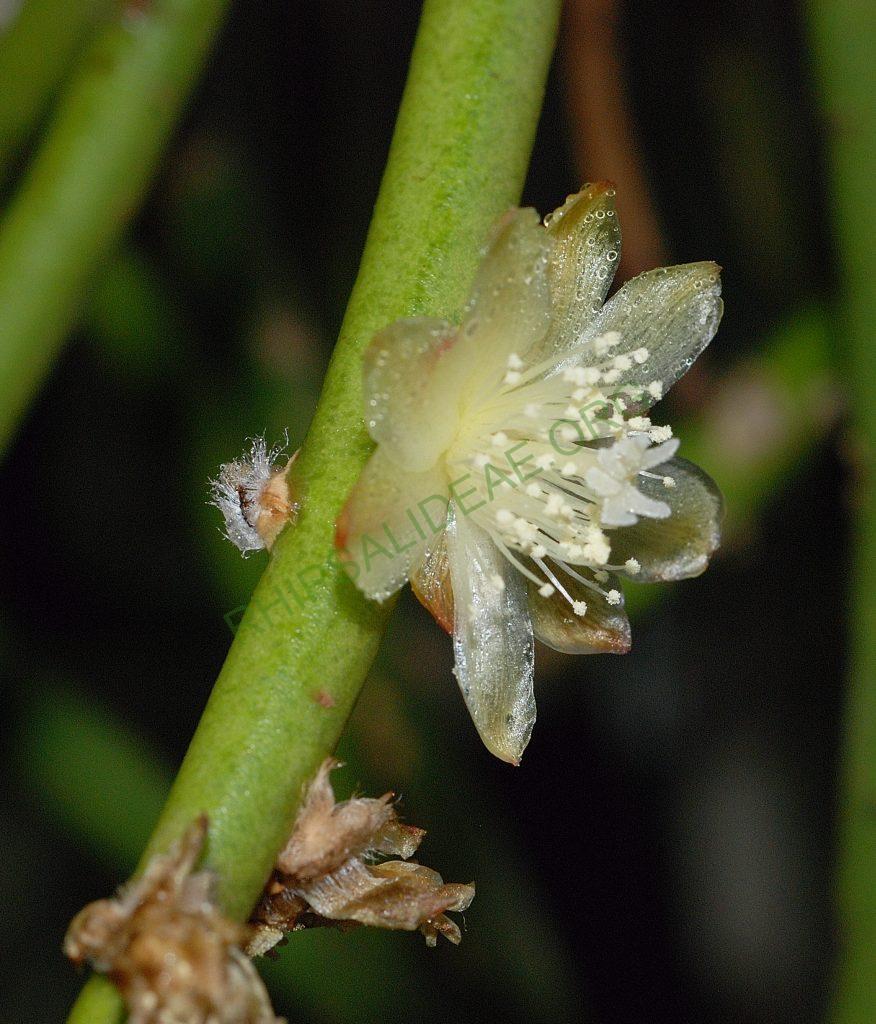
Rhipsalis dissimilis f. dissimilis, possibly the reduced synonym Rhipsalis rigida


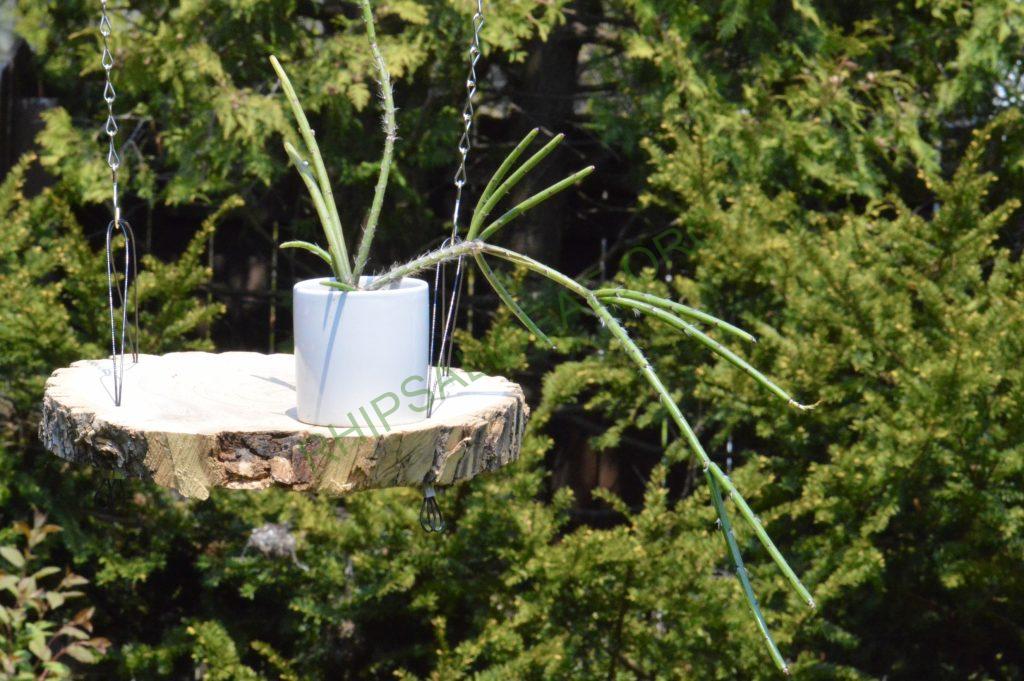
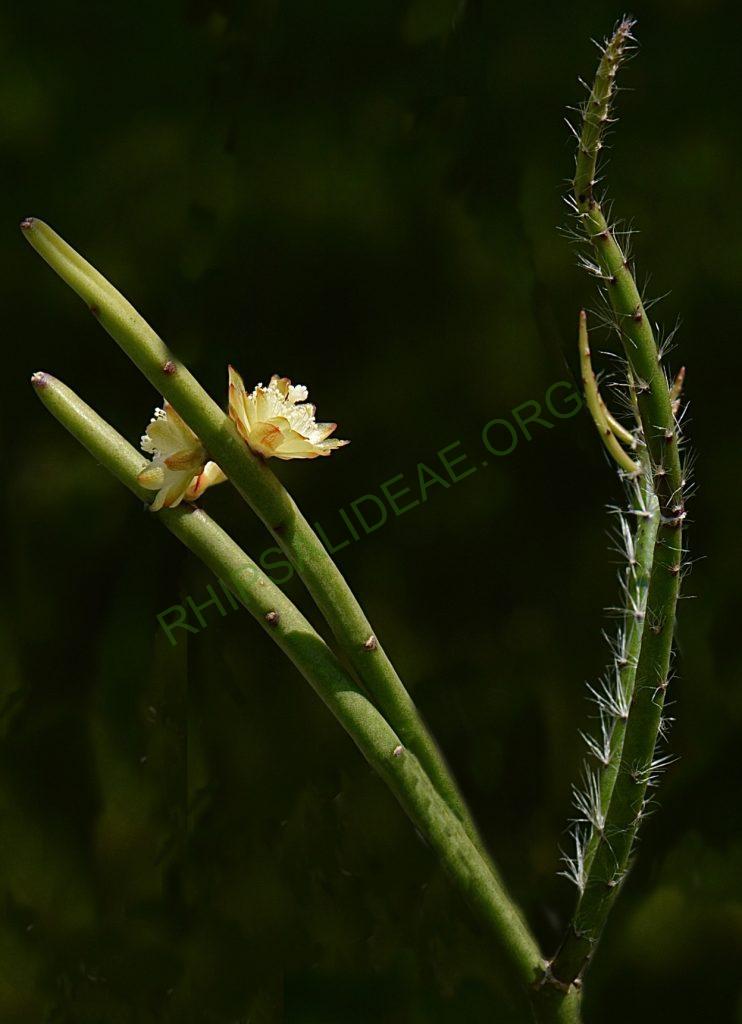
Rhipsalis dissimilis f. dissimilis, possibly the reduced synonym Rhipsalis rigida, very juvenile specimen


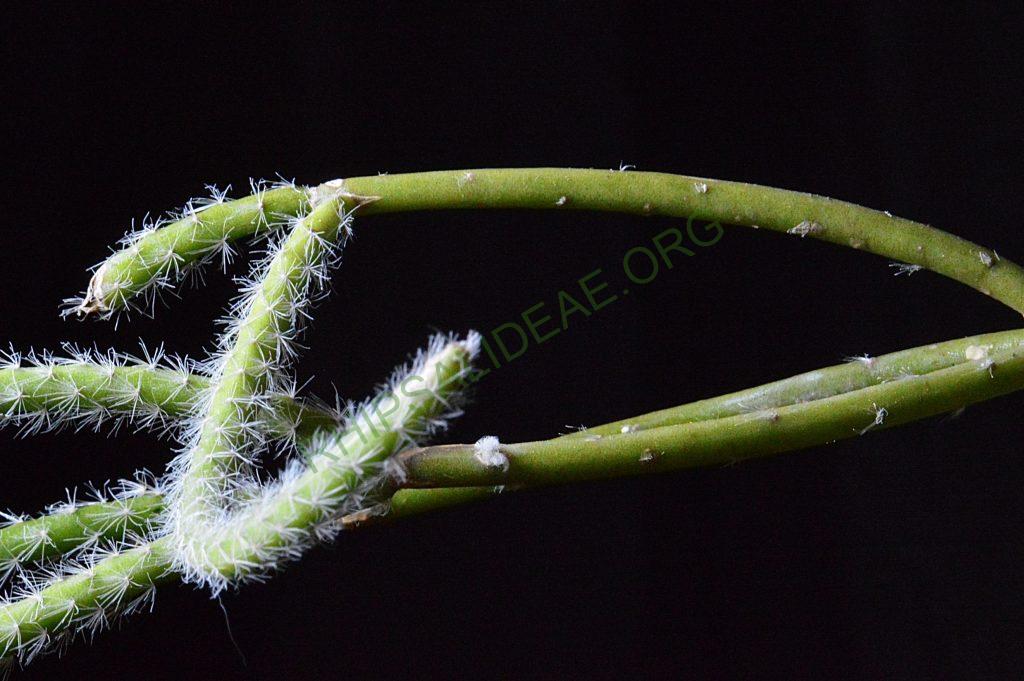
Rhipsalis dissimilis f. dissimilis, possibly the reduced synonym Rhipsalis rigida


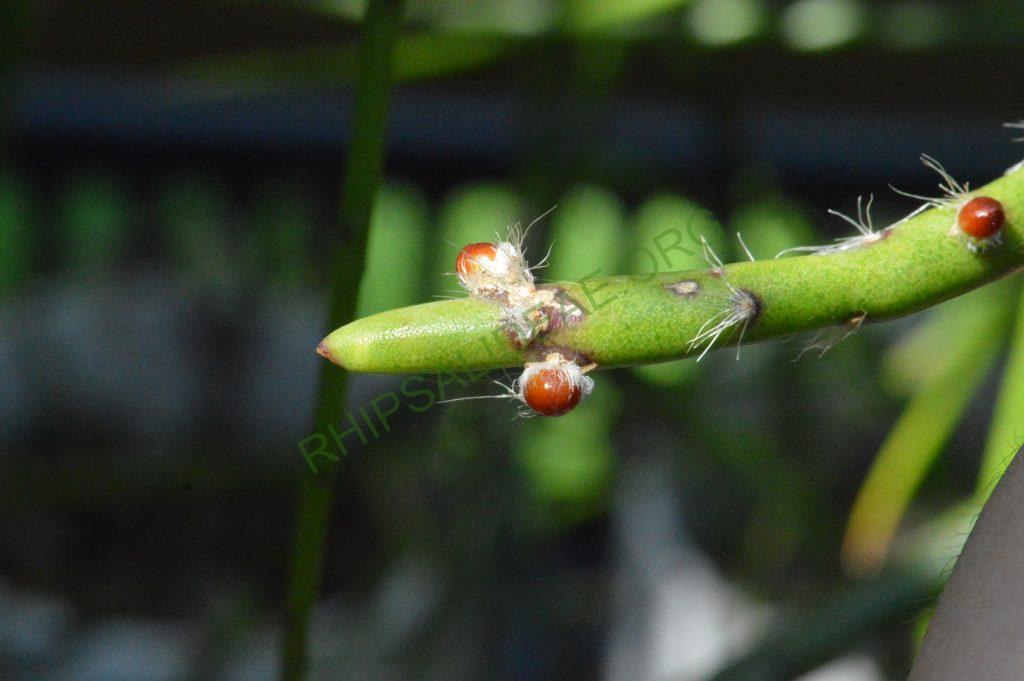
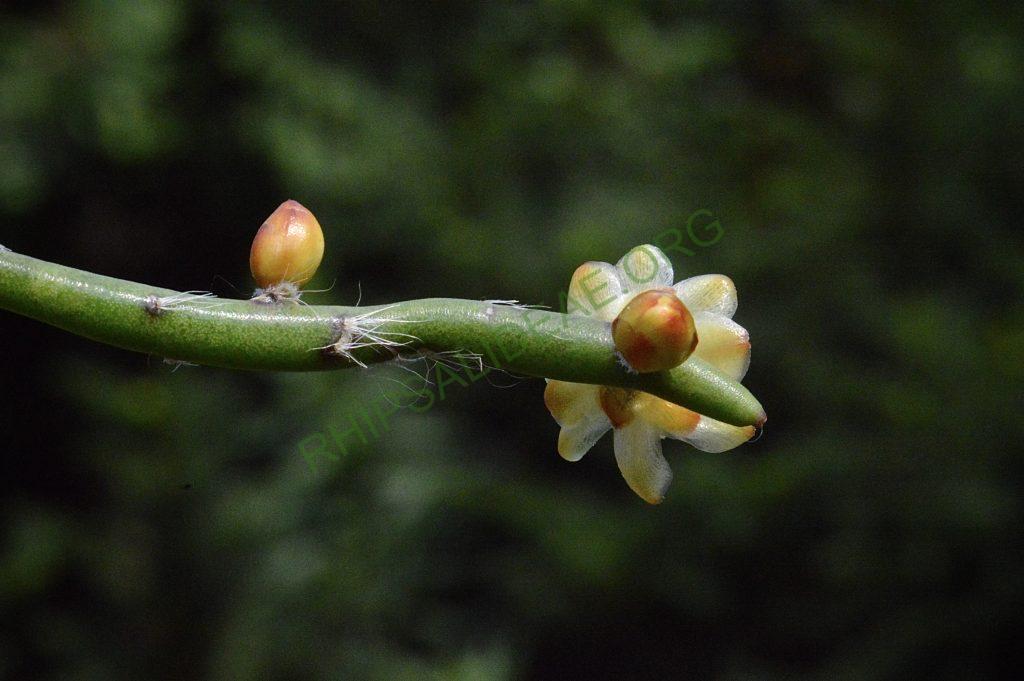


Description
| The synonym of Rhipsalis dissimilis f. dissimilis, Rhipsalis rigida Loefgr. was published in Arch. Jard. Bot. Rio de Janeiro 1: 93. 1915. Due to the deviation in the botanical description from the accepted taxon type description, we have allowed for a distinct description for this older taxon. The intent is to alleviate too broad of a description for proper identification. The geographic range is Brazil (Cachoerinha in the Serra da Cantareira) found at elevations of 800-1101 meters with an endangered status of endangered. Rhipsalis rigida is classified in the subgenus Calamorhipsalis. Observed growing as an epiphyte or lithophyte. Overall habit is erect, branches are dimorphic (more than one stem shape) and acrotinic (stems form from the tips of previous stems). Stems are round and 5 angled, bristles are absent to sparse to dense. Basal stems are indeterminate (seasonal growth is various lengths), 60cm x unreported. Main stems are determinate (seasonal growth is about the same length), unreported x 0.8cm-1.5cm. Flowers are rotate: subpatent or patent (wheel shaped: partial to wide open to reflexed), 1.2cm x unreported. Petals from 12 to 15, sepal count is unreported. Inner petals are light-yellow or yellow, outer petals are yellow, brown or red. Stamen are light-yellow, count is unreported. Stigma lobes from 4 to 5. Flower ovary is subglobose, unreported x unreported. Flowering position on the stem is lateral and the flower orientation in relation to the stem is oblique. Does repeat flowering per areole. A maximum of 1 flowers were reported at a single areole. Areole position in the stems is deeply immersed (flower ovary is partially or fully hidden in the stems during bud development). Trichomes or wool is dense at the areoles after flowering. Unripe fruit color is unreported. Ripe fruit shape is unreported; color is unreported, unreported x unreported. Other notable features: Reduced under R. dissimilis f. dissimilis in 1995 by Barthlott & Taylor1. This species has not part of any known molecular phylogenetic study. Karl Schumann described this species as being almost shrubby, errect or suberect, woody at the base, subcylindrical then angular, sparsly branched. Stems clearly 5-angled, only slightly irregularly branched, and never in whorls. Stems are up to 60cm long and .8-1.6cm thick. Young stems round with spirally arranged areoles with red scales and 5-15 bristles. Flowers are lateral with 12-15 straw-yellow petals, outer petals smaller with central red vein and apex. Stamen and anthers pale yellow. Ovary is immersed. He states it has extraordinarily long and rigid secondary stems, with young stems being quite similar to R. dissimilis K. Sch., but the adult plants are completely different. He notes they lost the drawing of the species. 1Notes towards a Monograph of Rhipsalideae (Cactaceae), Wilhelm Barthlott, N. P. Taylor, Bradleya 13, 1995 2Archivos do Jardim Botânico do Rio de Janeiro, Karl Schumann, Jardim Botânico do Rio de Janeiro, Vol. 1, 1918 Taxonomic treatment and description were derived from:
|
Rhipsalis rigida referenced publications
| Title | Authors | Type | Journal | Year | Volume | Issue | Pages | Publisher |
|---|---|---|---|---|---|---|---|---|
| IPCN Chromosome Reports. Missouri Botanical Garden. Accessed on: 18 Jan. 2025 | Website | 2025 | ||||||
| Rhipsalis puniceodiscus G.A. LINDBERG | E. Steinberg | Journal Article | EPIG | 1999 | 11 | 2 | 63-66 | |
| Chromosome numbers in the tribe Rhipsalinae (Cactaceae) | T. W. J. Gadella, E. Kliphuis, J. Naber | Journal Article | Botaniska notiser | 1979 | 3 | 294 | ||
| Archivos do Jardim Botânico do Rio de Janeiro | Jardim Botânico do Rio de Janeiro | Book | 1915 | 1 | 61-105 | Rio de Janeiro, Jardim Botanico |